

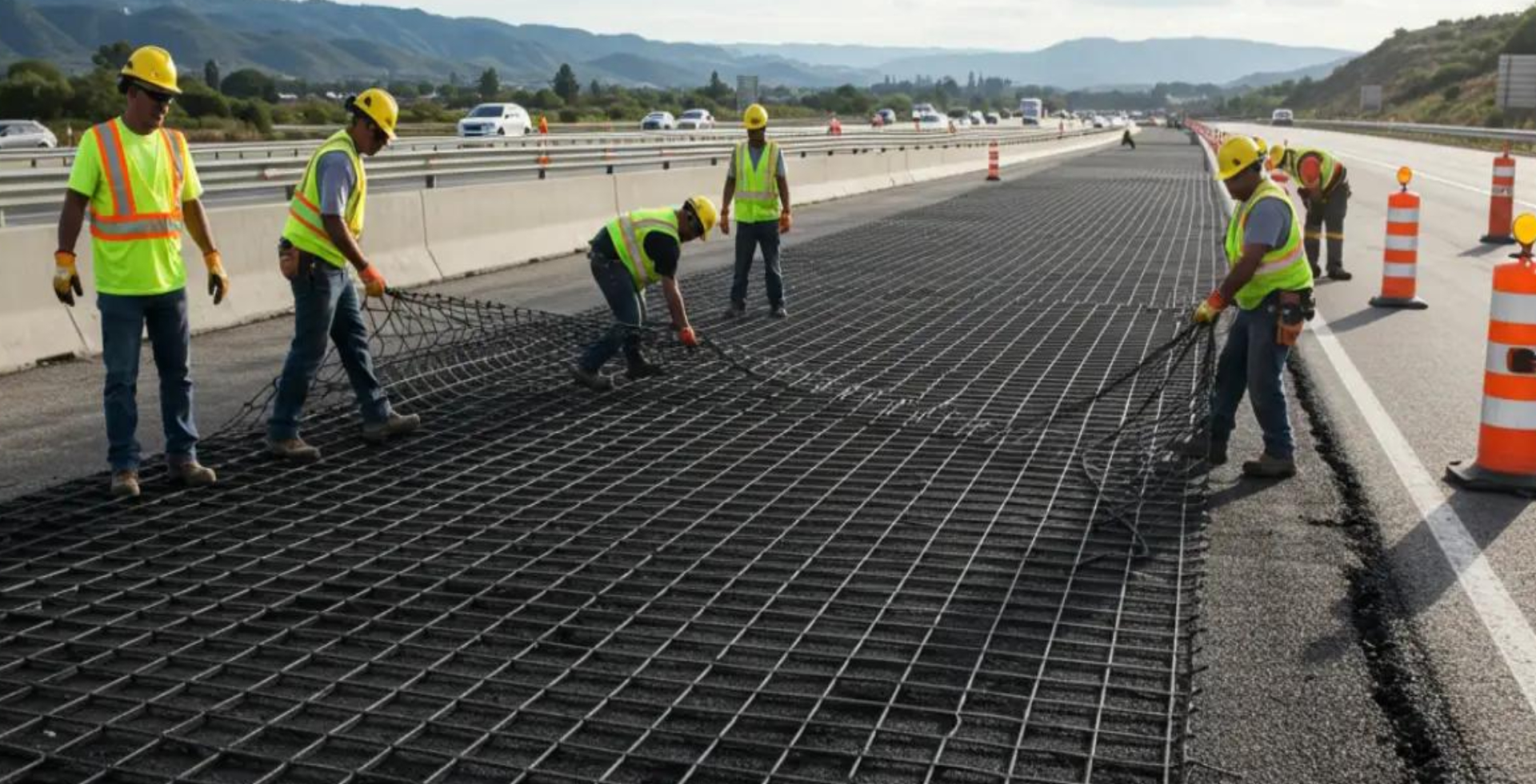
Modern civil engineering projects often face challenges such as weak soil, water drainage, erosion and unstable slopes. Geosynthetics provide innovative solutions to address many of these challenges and are increasingly used in infrastructure and construction projects around the world.
From highways and railways to retaining walls and erosion control, geosynthetic products can help improve the performance, stability and durability of engineered structures.
In this article, we explore the types, benefits and applications of geosynthetics in civil engineering.
What Are Geosynthetics?
Geosynthetics are engineered materials used in combination with soil, aggregate or other construction materials to perform specific functions in civil and geotechnical engineering.
Depending on the product and application, geosynthetics can be used for:
- Soil stabilization
- Soil reinforcement
- Drainage
- Filtration
- Separation
- Erosion control
- Load distribution
The right geosynthetic product depends on the specific requirements of each project, including soil conditions, loading, drainage and environmental factors.
Types of Geosynthetics
Different geosynthetic products are designed to perform different functions. Some commonly used solutions include:
1. Geogrids
Geogrids are grid-like reinforcement materials used to improve the performance of soil and aggregate structures.
They are commonly considered for applications such as:
- Road construction
- Soil stabilization
- Pavement reinforcement
- Embankments
- Retaining structures
Geogrids can help improve load distribution and provide reinforcement within engineered soil systems.
2. Geocells
Geocells are three-dimensional cellular confinement systems that create a honeycomb-like structure.
When filled with suitable material, geocells provide confinement and help control the movement of soil or aggregate.
They can be used in:
- Road construction
- Slope stabilization
- Soil reinforcement
- Erosion control
- Embankments
3. Drainage Geocomposites
Effective water management is essential for many infrastructure projects.
Drainage geocomposites are designed to provide engineered drainage pathways and may be used in applications such as:
- Retaining structures
- Roads
- Foundations
- Landfills
- Subsurface drainage systems
Proper drainage can help manage water movement and support the long-term performance of infrastructure.
4. Geostraps
Geostraps are reinforcement elements used in engineered soil and reinforced structures.
They can be considered for applications including:
- Retaining walls
- Reinforced soil structures
- Highway infrastructure
- Soil reinforcement
The appropriate reinforcement system should be selected based on the project’s engineering requirements.
5. Erosion Control Mats
Erosion control mats help protect exposed soil surfaces from erosion caused by rainfall and surface runoff.
They can be used for:
- Slopes
- Embankments
- Riverbanks
- Construction sites
- Landscaping applications
Depending on the product, erosion control mats may also support vegetation establishment and surface stabilization.
Benefits of Geosynthetics in Civil Engineering
Geosynthetics offer several potential advantages when properly designed and installed.
Soil Stabilization
Geosynthetic reinforcement can help improve the performance of weak or unstable soil and provide better support for infrastructure.
Improved Load Distribution
In road and infrastructure projects, geosynthetic reinforcement can help distribute loads through soil and aggregate layers.
Erosion Control
Erosion control products can help protect slopes and exposed soil from surface erosion and runoff.
Drainage Management
Drainage geocomposites can help manage water movement and provide controlled drainage pathways in suitable applications.
Efficient Construction
In some projects, geosynthetics can provide an efficient alternative or complement to traditional construction methods. The benefits depend on the specific design and site conditions.
Applications of Geosynthetics
Geosynthetic solutions are used in a wide range of civil engineering and infrastructure projects.
Road Construction
Geosynthetics can be used to address challenges related to weak subgrades, soil stabilization, reinforcement and load distribution.
Railway Infrastructure
Geosynthetic products may be considered for railway applications involving soil reinforcement, drainage, stabilization and separation.
Retaining Walls
Products such as geogrids and geostraps can be incorporated into reinforced soil retaining systems to provide reinforcement and improve structural stability.
Slope Stabilization
Geocells and erosion control products can help protect slopes and exposed surfaces from erosion and improve surface stability in suitable applications.
Environmental Projects
Geosynthetics can also be used in environmental engineering applications involving drainage, filtration, reinforcement and containment.
How to Choose the Right Geosynthetic Product?
Choosing the right geosynthetic solution requires consideration of several factors, including:
- Project application
- Soil and ground conditions
- Expected loading
- Drainage requirements
- Environmental conditions
- Installation requirements
- Technical specifications
For complex infrastructure projects, product selection should be based on proper engineering assessment and project-specific requirements.
Conclusion
Geosynthetics have become an important part of modern civil and geotechnical engineering. Products such as Geogrids, Geocells, Geostraps, Drainage Geocomposites and Erosion Control Mats can provide solutions for soil stabilization, reinforcement, drainage and erosion control.
The success of a geosynthetic system depends on selecting the right product for the right application and ensuring proper engineering design and installation.
At M2M Engineering, we provide geosynthetic products and solutions for a range of civil engineering and infrastructure applications.
Looking for the right geosynthetic solution for your project? Contact M2M Engineering to discuss your requirements with our team.

Leave a Reply